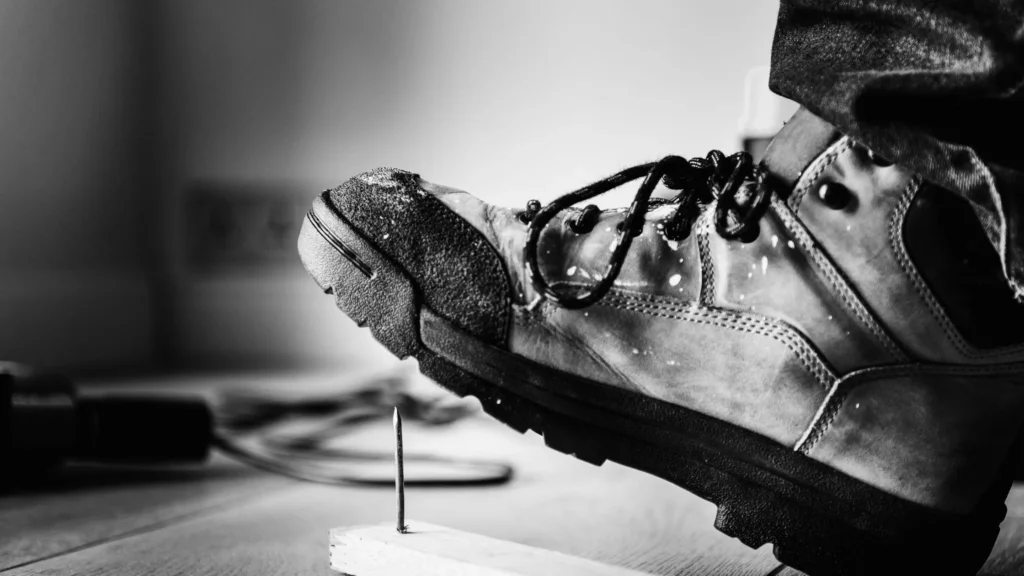
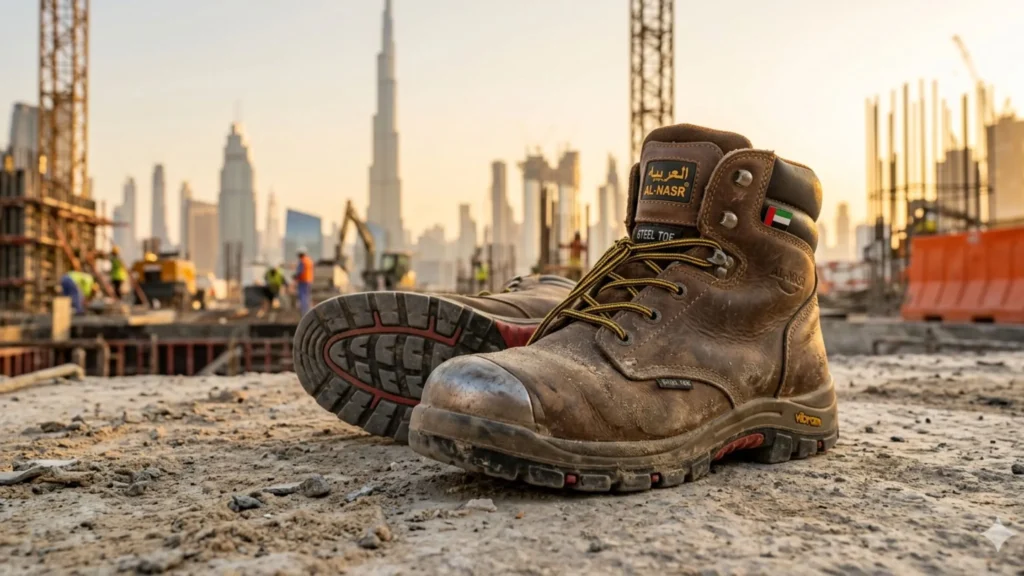
Choosing a reliable safety equipment supplier in Dubai is critical for businesses operating in construction, manufacturing, oil & gas, logistics, and other high-risk industries. A dependable supplier ensures that safety equipment meets approved standards, is suitable for UAE working conditions, and is readily available when required.
Before finalising a supplier, businesses must evaluate certifications, product quality, local availability, and after-sales support to avoid compliance risks and workplace hazards.
In this Blog
Why Choosing the Right Safety Equipment Supplier Matters in Dubai
Dubai has strict workplace safety regulations, especially for industrial and construction environments. Employers are legally responsible for providing certified safety equipment that protects workers and meets inspection requirements.
A reliable supplier helps businesses:
- Maintain compliance with UAE safety regulations
- Reduce workplace accidents and liability risks
- Ensure uninterrupted project execution
- Protect employee health and productivity
Selecting the wrong supplier can result in delays, penalties, or unsafe working conditions.
Key Factors to Evaluate Before Choosing a Safety Equipment Supplier in Dubai
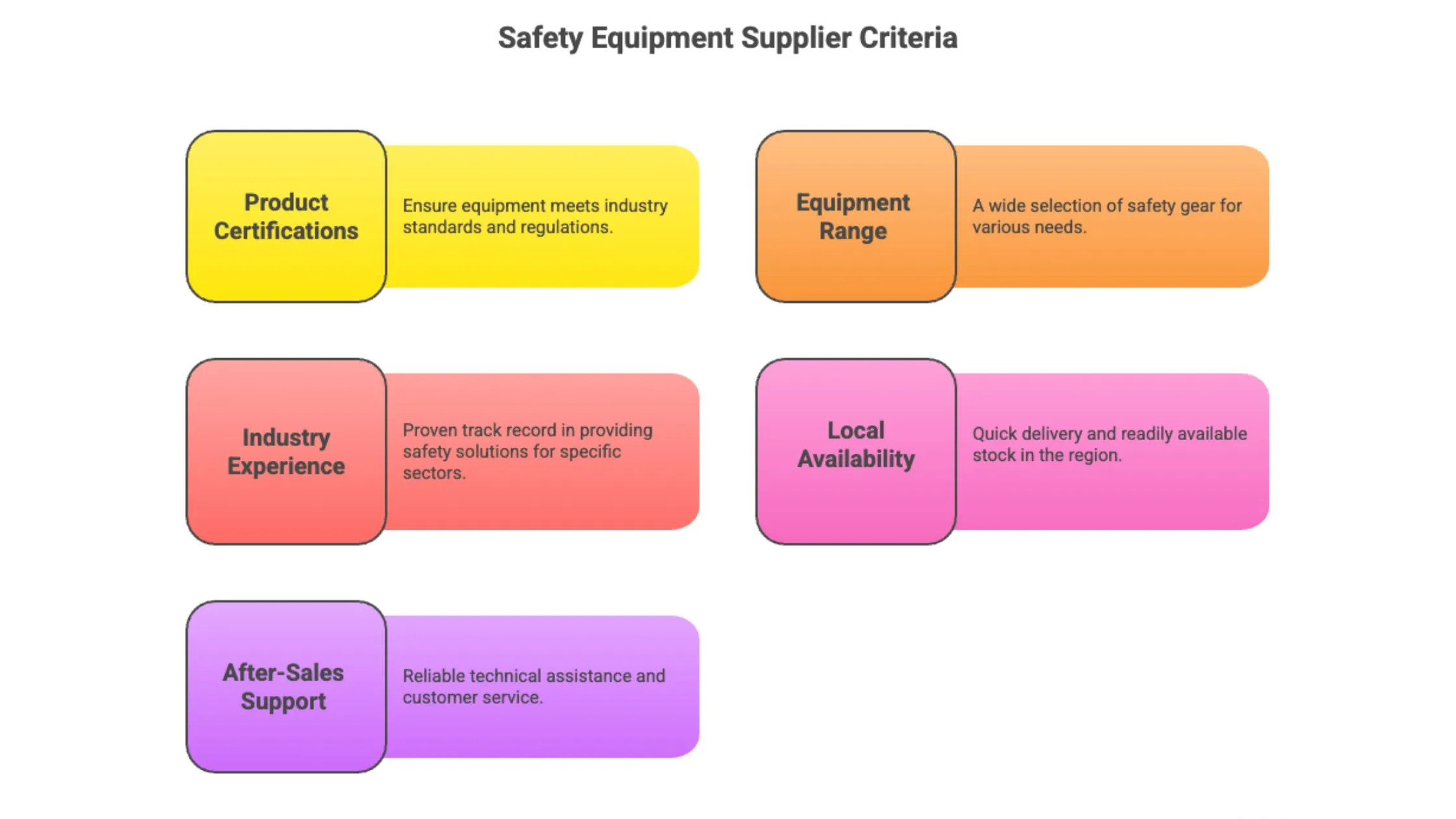
1. Product Certifications and Compliance
A trustworthy supplier provides safety equipment that complies with internationally recognised standards such as:
- EN (European Standards)
- ANSI (American National Standards Institute)
- ISO quality standards
- OSHA safety guidelines
Certification documents should be transparent and verifiable. This is especially important for PPE, helmets, gloves, footwear, and fall protection equipment used on regulated worksites.
2. Range of Safety Equipment Offered
A reliable supplier should offer a comprehensive range of safety equipment, including:
- Personal Protective Equipment (PPE)
- Safety helmets and head protection
- Industrial safety gloves
- Safety shoes and protective footwear
- Site safety accessories and visibility gear
A wide product range indicates supplier capability and reduces the need to source from multiple vendors.
3. Industry-Specific Experience
Different industries face different safety risks. An experienced supplier understands the requirements of:
- Construction and infrastructure projects
- Oil and gas operations
- Manufacturing facilities
- Warehousing and logistics environments
Industry knowledge allows suppliers to recommend appropriate equipment instead of generic solutions.
4. Local Stock Availability and Delivery Capability
Local availability is essential in Dubai’s fast-paced industrial environment. A reliable supplier should:
- Maintain stock within the UAE
- Offer quick delivery across Dubai and nearby emirates
- Handle urgent or bulk requirements efficiently
This reduces downtime and prevents project delays caused by equipment shortages.
5. After-Sales Support and Technical Guidance
Beyond selling products, a professional safety equipment supplier provides:
- Usage and fitting guidance
- Replacement cycle recommendations
- Support for compliance documentation
- Assistance during audits or inspections
Strong after-sales support reflects long-term reliability.
Reliable vs Unreliable Safety Equipment Suppliers
| Evaluation Factor | Reliable Supplier | Unreliable Supplier |
|---|---|---|
| Certifications | Clearly documented and verified | Missing or unclear |
| Product Quality | Standard-compliant and tested | Inconsistent quality |
| Local Stock | Available in Dubai | Long import delays |
| Industry Knowledge | Advises correctly | Pushes generic items |
| After-Sales Support | Ongoing assistance | No follow-up |
Common Mistakes Businesses Make When Choosing a Supplier
Many buyers unknowingly make decisions that compromise safety. Common mistakes include:
- Choosing suppliers based only on price
- Ignoring certification labels and documentation
- Purchasing non-UAE compliant equipment
- Failing to verify supplier credibility or experience
- Overlooking replacement and maintenance requirements
Avoiding these mistakes ensures safer worksites and long-term cost savings.
Dubai Buyer Checklist: Before Finalising a Safety Equipment Supplier
Before placing an order, confirm that the supplier can provide:
- Verified safety certifications
- Local warehouse and stock availability
- Industry-specific product guidance
- Clear replacement and warranty policies
- Emergency supply support when required
This checklist helps businesses make informed, risk-free decisions.
What to Expect from a Professional Safety Equipment Supplier in the UAE
A professional safety equipment supplier focuses on:
- Compliance-first product selection
- Transparent sourcing and documentation
- Industry-appropriate recommendations
- Long-term safety partnerships rather than one-time sales
These qualities indicate credibility and operational reliability.
Final Thoughts
Choosing the right safety equipment supplier in Dubai is a strategic decision that impacts worker safety, regulatory compliance, and operational efficiency.
By evaluating certifications, product range, industry expertise, and local support, businesses can partner with suppliers that prioritise safety and reliability over short-term cost savings.
Frequently Asked Questions
How can I verify safety equipment certifications in Dubai?
You can request compliance certificates from the supplier and cross-check them against recognised standards such as EN, ANSI, or ISO. Reliable suppliers provide documentation without hesitation.
Is imported safety equipment allowed in the UAE?
Yes, imported equipment is allowed if it meets approved international standards and UAE safety requirements. Certification and quality verification are essential.
How often should workplace safety equipment be replaced?
Replacement frequency depends on usage, exposure, and manufacturer guidelines. Helmets, gloves, and footwear often require periodic replacement to maintain protection.
Can one supplier support multiple industries?
Yes. Established suppliers usually serve multiple industries by offering certified products suitable for different risk environments.