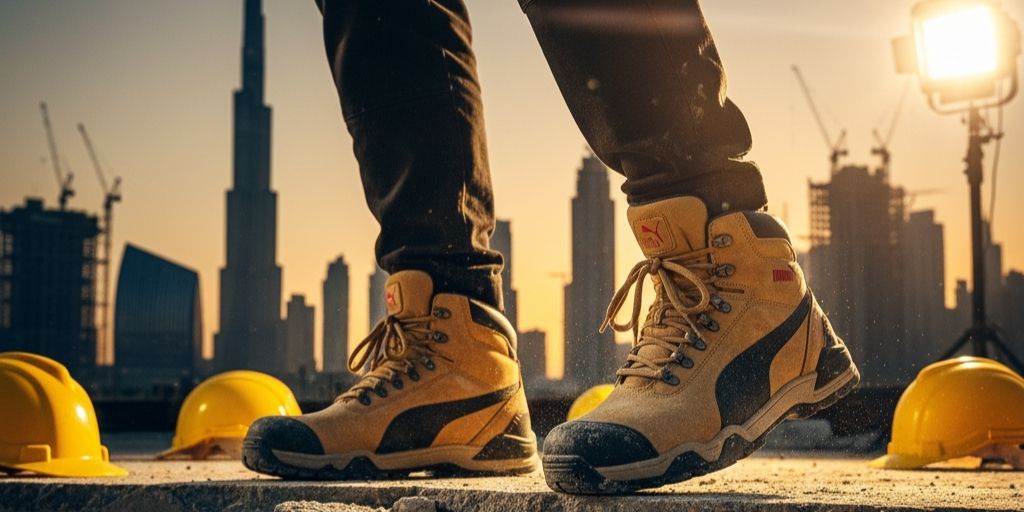
If you’re confused between Puma Safety Shoes and Albatros Safety Shoes, here’s the clear answer:
- Choose Puma if you want lightweight comfort, sporty design, and all-day wearability.
- Choose Albatros if you need rugged durability, heavy-duty protection, and better value for tough job sites.
Now let’s break this down properly so you can decide confidently.
Table of Contents
Quick Comparison Summary
| Feature | Puma Safety Shoes | Albatros Safety Shoes |
|---|---|---|
| Comfort | Excellent (lightweight & cushioned) | Very Good (slightly heavier) |
| Durability | High | Very High |
| Price Range | Premium | Mid-range to Premium |
| Best For | Warehouse, indoor jobs, long shifts | Construction, oil & gas, heavy-duty sites |
| Design | Sporty & modern | Rugged & industrial |
About Puma Safety Shoes
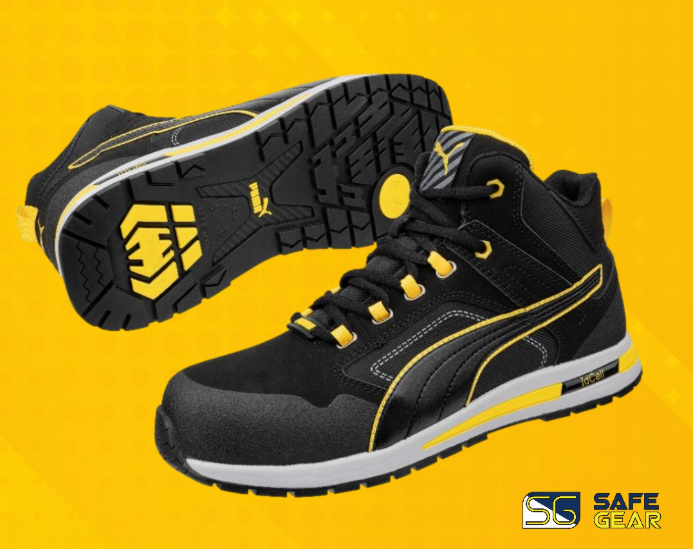
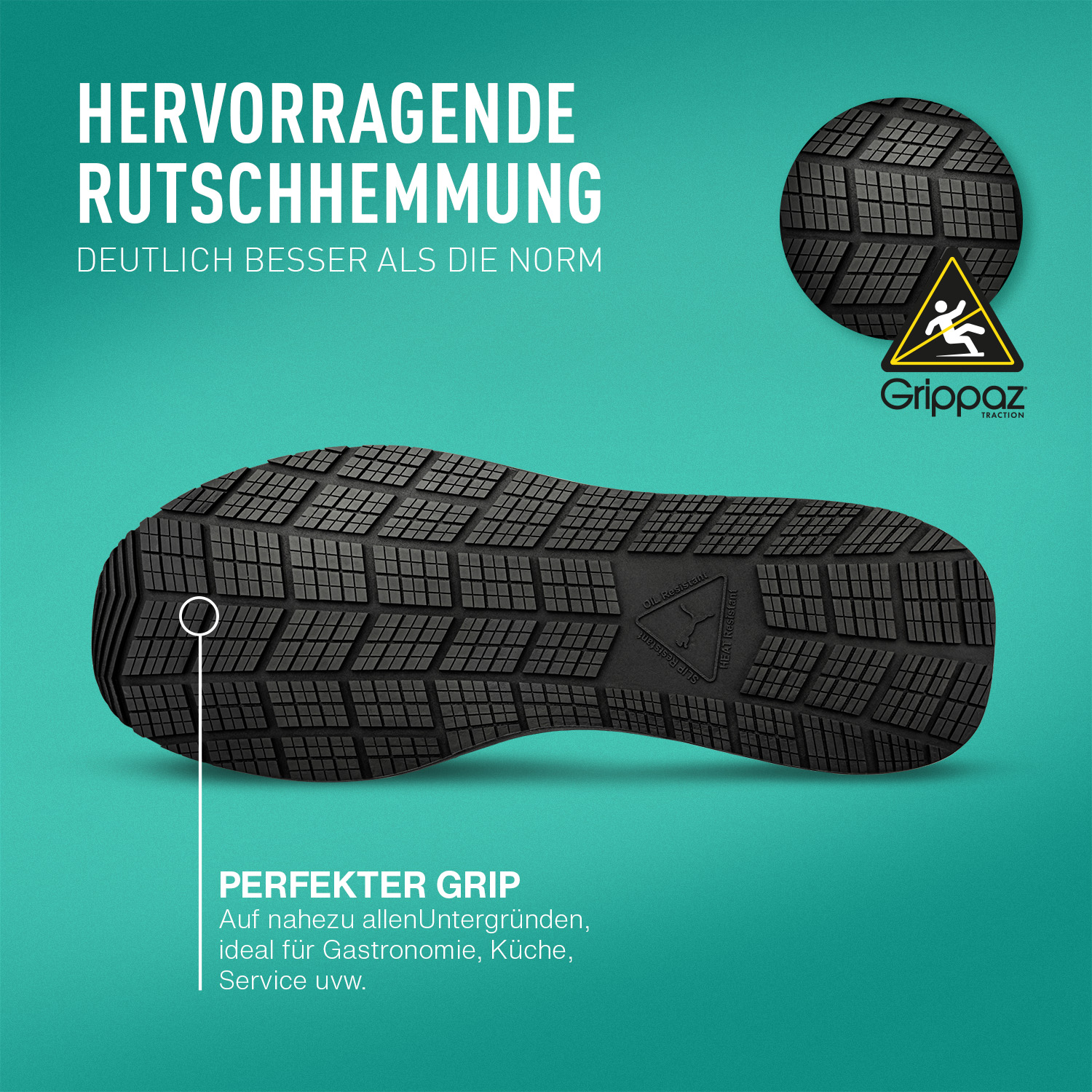
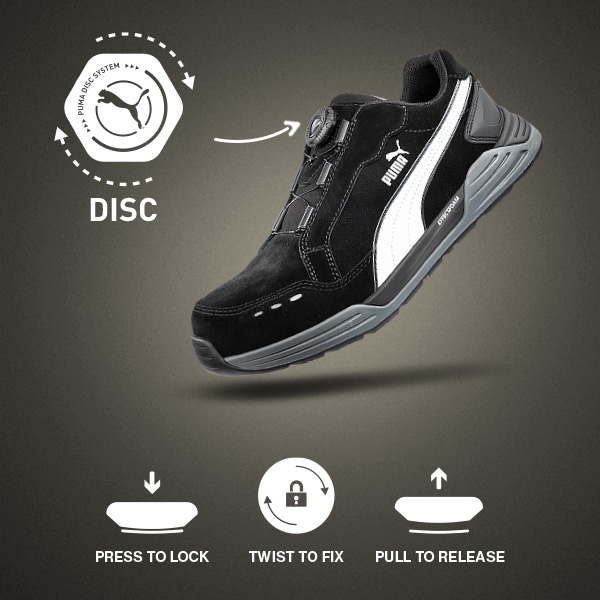


Puma is globally known for sports footwear. Their safety division combines athletic comfort with industrial protection.
Puma Safety is engineered in Germany and designed to feel like a sports shoe — but built to meet industrial safety standards.
Key Characteristics:
- Lightweight construction
- Breathable upper material
- Energy-absorbing heel
- Modern sporty look
- Available in S1, S1P, and S3 ratings
Puma safety shoes are popular in:
- Warehouses
- Logistics
- Manufacturing plants
- Indoor industrial environments
If you work long shifts and comfort matters most, Puma stands out.
About Albatros Safety Shoes
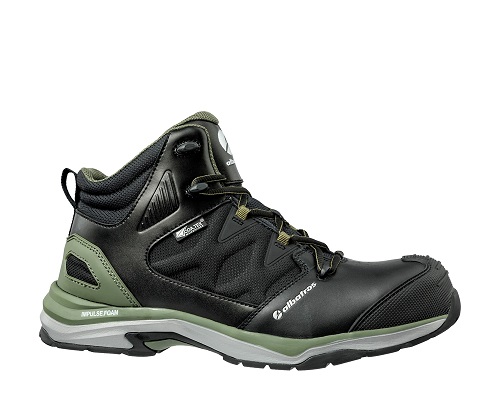
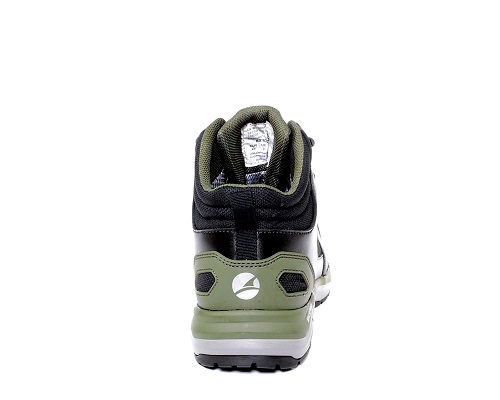
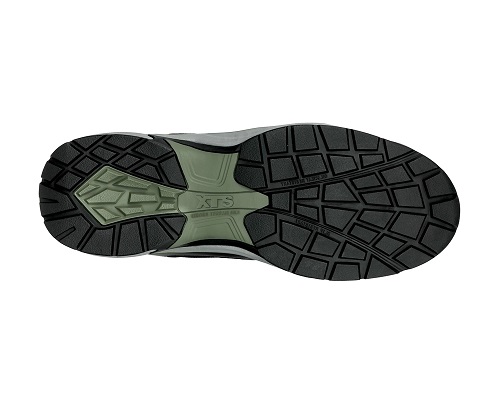
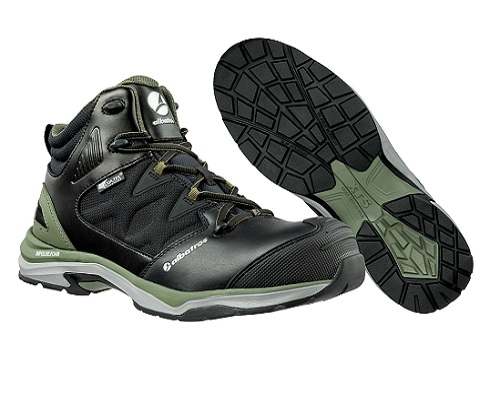
Albatros is another German-engineered safety footwear brand known for durability and strong construction-site performance.
Key Characteristics:
- Heavy-duty build
- Strong PU/TPU soles
- Excellent grip (SRC slip resistance)
- Oil and chemical resistance
- Built for harsh environments
Albatros is commonly used in:
- Construction sites
- Oil & gas projects
- Outdoor heavy-duty environments
- Industrial fabrication units
If your job is physically demanding and rough on footwear, Albatros is built for that.
Design & Build Quality Comparison
1. Upper Material
Both brands use high-quality leather or microfiber materials.
Puma focuses on flexibility and lightweight feel.
Albatros focuses on abrasion resistance and strength.
2. Sole Technology
Both offer:
- PU (Polyurethane) soles
- Anti-slip SRC rating
- Oil-resistant outsoles
Albatros generally provides thicker soles for extreme durability.
Puma focuses on shock absorption and flexibility.
3. Toe Protection
Both brands offer:
- Steel toe protection (200 Joules impact resistance)
- Composite toe options
- Puncture-resistant midsoles
No compromise in safety here — both meet European standards.
Comfort & Wearability – Which Is Better for Long Hours?
If you work 8–12 hours daily, comfort matters.
Puma Advantages:
- Lighter weight
- Better airflow
- Sports-style cushioning
- Reduced foot fatigue
Albatros Advantages:
- Solid ankle support
- Thick outsole stability
- Better protection for uneven surfaces
For indoor work → Puma feels easier on the feet.
For rough terrain → Albatros feels more secure.
Safety Standards & Certifications
Both brands comply with:
- EN ISO 20345 certification
- S1 rating (basic protection)
- S1P rating (puncture resistance)
- S3 rating (water-resistant + anti-penetration)
- Anti-static properties
- Oil & slip resistance (SRC)
If you need S3 safety shoes, both Puma and Albatros offer certified options suitable for Dubai’s industrial standards.
Durability & Lifespan
- Last long in light-to-medium industrial use
- Ideal for indoor environments
- May wear faster in extreme outdoor conditions
Albatros Safety Shoes
- Built for heavy construction
- Strong outsole durability
- Performs better in harsh weather
If your worksite involves cement, gravel, oil, or sharp debris — Albatros usually lasts longer.
Price Comparison
- Puma Safety Shoes → Premium pricing
- Albatros Safety Shoes → More competitive pricing
If budget is a factor, Albatros offers strong value.
If comfort and brand preference matter, Puma justifies its cost.
Best for Different Industries
| Industry | Recommended Brand | Reason |
|---|---|---|
| Construction | Albatros | Tough build & grip |
| Warehouse | Puma | Lightweight comfort |
| Electrical Work | Both (Composite toe) | Non-metallic protection |
| Oil & Gas | Albatros | Heavy-duty durability |
| Manufacturing | Puma | All-day wear comfort |
Pros and Cons
Puma Safety Shoes
Pros
- Very comfortable
- Lightweight
- Stylish design
- Excellent cushioning
Cons
- Slightly expensive
- Not ideal for extreme heavy-duty outdoor use
Albatros Safety Shoes
Pros
- Very durable
- Strong grip
- Good price-to-performance ratio
- Suitable for tough environments
Cons
- Slightly heavier
- Less sporty design
Which One Should You Buy?
Choose Puma Safety Shoes if:
- You work indoors
- You stand for long hours
- Comfort is your priority
- You prefer a sporty look
Choose Albatros Safety Shoes if:
- You work in construction or oil & gas
- You need rugged durability
- You want better long-term value
- Your worksite is rough and demanding
Final Verdict
Both Puma and Albatros safety shoes are reliable German-engineered options offering certified industrial protection. Your choice should depend on your work environment, comfort preference, and budget.
If you are looking for a trusted safety equipment supplier in Dubai, Safe Gear provides a wide range of certified Puma and Albatros safety shoes along with complete industrial safety solutions. Whether you need footwear for construction, warehouse, oil & gas, or manufacturing, Safe Gear can help you choose the right protection for your team.
Frequently Asked Questions
Which is better: Puma or Albatros safety shoes?
Both are high-quality German-engineered brands. Puma focuses on comfort and lightweight design, while Albatros focuses on durability and heavy-duty protection.
Are Puma safety shoes certified?
Yes. They comply with EN ISO 20345 standards and are available in S1, S1P, and S3 categories.
Are Albatros safety shoes good for construction?
Yes. Albatros is widely used in construction and heavy industrial environments due to its strong outsole and durability.
Which safety shoes are better for long working hours?
For indoor long shifts, Puma is generally more comfortable due to its lighter weight.
What is the difference between S1 and S3 safety shoes?
S1 provides basic toe protection and anti-static features. S3 includes water resistance and puncture-resistant midsole, making it suitable for outdoor environments.