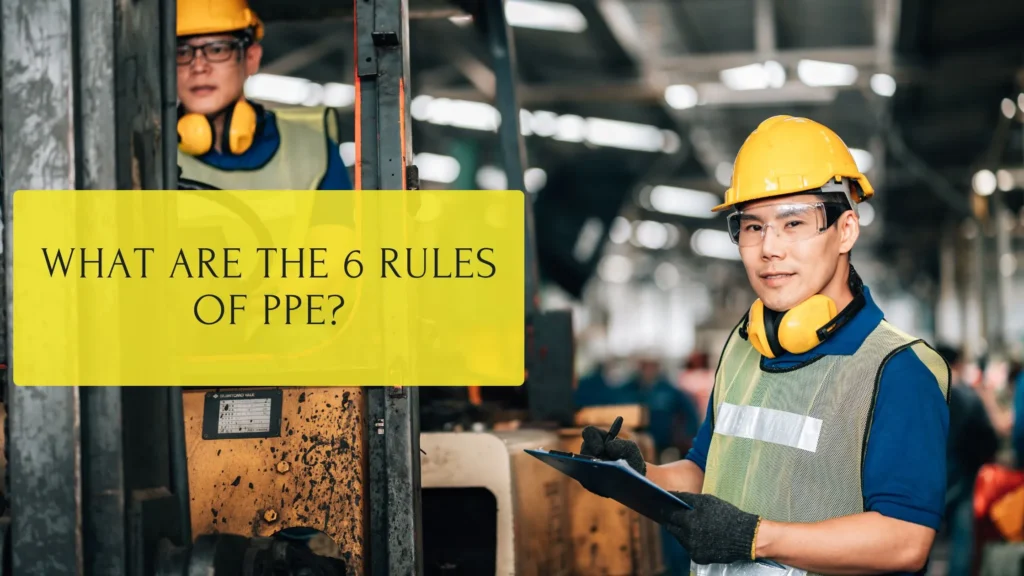
Personal Protective Equipment (PPE) refers to safety gear worn to reduce the risk of injury or illness at work. PPE is widely used in construction, manufacturing, healthcare, laboratories, warehouses, and many industrial environments. Understanding the types of PPE helps workers and employers choose the right protection for different workplace hazards.
In this guide, we explain the main types of PPE, what they are used for, and where each type is commonly required—using simple language and clear examples.
In the UAE, PPE is especially important due to high-risk industries such as construction, oil & gas, logistics, and manufacturing, where strict workplace safety standards are followed.
What Is PPE?
PPE (Personal Protective Equipment) is safety equipment worn by workers to protect them from physical, chemical, biological, or environmental hazards in the workplace.
What Are the Main Types of PPE?
There are several types of PPE, and each type is designed to protect a specific part of the body. Below are the main categories of PPE used across different industries.

1. Head Protection (Safety Helmets & Hard Hats)
Head protection is a type of personal protective equipment (PPE) worn to protect the head from injuries caused by falling objects, impact, or electrical hazards.
Purpose
The main purpose of head protection is to reduce the risk of serious head injuries such as cuts, fractures, or electrical shocks in hazardous work environments.
Types of Head Protection
Head protection can be classified into different types based on the level of protection required:
- Industrial Safety Helmets – Designed to protect against impact and penetration from falling objects
- Electrical Safety Helmets – Provide protection against electrical shock and live wires
- Bump Caps – Lightweight head protection used where there is a risk of minor head bumps
Common Examples:
- Safety helmets
- Hard hats
Where It Is Used:
- Construction sites
- Oil and gas facilities
- Factories and industrial plants
2. Eye and Face Protection
Eye and face protection is a type of personal protective equipment (PPE) used to protect the eyes and face from injuries caused by dust, chemicals, sparks, splashes, and flying particles.
Purpose
The purpose of eye and face protection is to prevent eye injuries, burns, vision damage, and facial injuries that may occur in hazardous work environments.
Types of Eye and Face Protection
Eye and face protection can be grouped into different types based on the level of coverage and risk:
- Safety Glasses – Protect the eyes from dust and small flying particles
- Safety Goggles – Provide a sealed fit to protect against chemicals, dust, and splashes
- Face Shields – Cover the entire face and protect against sparks, heat, and liquid splashes
- Welding Helmets – Protect the eyes and face from intense light, heat, and sparks during welding
Common Examples:
- Safety goggles
- Face shields
Where It Is Used:
- Welding areas
- Laboratories
- Manufacturing units
3. Hearing Protection
Hearing protection is a type of personal protective equipment (PPE) used to protect the ears from harmful noise levels that can cause hearing loss or ear damage.
Purpose
The purpose of hearing protection is to reduce exposure to loud sounds and prevent temporary or permanent hearing damage in noisy work environments.
Types of Hearing Protection
Hearing protection is available in different forms depending on noise levels and comfort needs:
- Earplugs – Inserted into the ear canal to reduce noise exposure
- Earmuffs – Cover the entire ear and provide higher noise reduction
- Canal Caps – Sit over the ear canal and are suitable for intermittent noise exposure
Common Examples:
- Earplugs
- Earmuffs
Where It Is Used:
- Factories
- Power plants
- Areas with heavy machinery
4. Respiratory Protection
Respiratory protection is a type of personal protective equipment (PPE) used to protect the lungs from harmful dust, fumes, gases, vapours, and airborne particles.
Purpose
The purpose of respiratory protection is to prevent breathing in hazardous substances that can cause short-term or long-term health problems.
Types of Respiratory Protection
Respiratory protection can be classified based on the type of airborne hazard and level of protection needed:
- Dust Masks – Protect against non-toxic dust and particles
- Respirators – Provide higher protection against fumes, gases, and fine particles
- Half-Face Respirators – Cover the nose and mouth for moderate protection
- Full-Face Respirators – Cover the entire face and offer maximum protection
Common Examples:
- Dust masks
- Respirators
Where It Is Used:
- Construction work
- Chemical handling areas
- Painting and spraying operations
5. Hand Protection (Safety Gloves)
Hand protection is a type of personal protective equipment (PPE) worn on the hands to protect them from injuries such as cuts, burns, chemical exposure, and infections.
Purpose
The purpose of hand protection is to reduce the risk of hand injuries and protect the skin from physical, chemical, and biological hazards during work.
Types of Hand Protection
Safety gloves are available in different types based on the hazard involved:
- Cut-Resistant Gloves – Protect hands from sharp objects and cuts
- Chemical-Resistant Gloves – Protect against chemicals and liquid exposure
- Heat-Resistant Gloves – Protect hands from high temperatures and burns
- Electrical Insulated Gloves – Protect against electrical shock
Common Examples:
- Cut-resistant gloves
- Chemical-resistant gloves
Where It Is Used:
- Industrial work
- Healthcare facilities
- Laboratories
6. Foot Protection (Safety Shoes)
Foot protection is a type of personal protective equipment (PPE) worn on the feet to protect against injuries caused by heavy objects, sharp materials, slippery surfaces, heat, and electrical hazards.
Purpose
The purpose of foot protection is to prevent foot injuries such as crushing, punctures, slips, burns, and electrical shock in hazardous work environments.
Types of Foot Protection
Safety footwear is available in different types based on workplace risks:
- Steel Toe Safety Shoes – Protect toes from heavy impact and compression
- Composite Toe Safety Shoes – Lightweight protection without metal components
- Slip-Resistant Safety Shoes – Reduce the risk of slipping on wet or oily surfaces
- Electrical Hazard Safety Shoes – Protect against electrical shocks
Common Examples:
- Steel toe safety shoes
- Slip-resistant safety footwear
Where It Is Used:
- Construction sites
- Warehouses
- Logistics and material handling areas
7. Body Protection (Protective Clothing)
Body protection is a type of personal protective equipment (PPE) worn on the body to protect against hazards such as chemicals, heat, sparks, sharp objects, and contamination.
Purpose
The purpose of body protection is to reduce the risk of injuries, burns, and exposure to harmful substances during work activities.
Types of Body Protection
Protective clothing is available in different types depending on workplace risks:
- Safety Coveralls – Provide full-body protection against dust, dirt, and light hazards
- Chemical-Resistant Clothing – Protect against chemical splashes and liquid exposure
- Flame-Resistant Clothing – Protect against fire, heat, and sparks
- High-Visibility Clothing – Improve visibility in low-light or high-traffic areas
Common Examples:
- Safety coveralls
- High-visibility clothing
Where It Is Used:
- Construction and road work
- Oil and gas industry
- Manufacturing environments
Purpose:
Fall protection equipment prevents serious injuries when working at heights.
Common Examples:
- Safety harnesses
- Lanyards
Where It Is Used:
- Construction projects
- Scaffolding work
- Maintenance and repair jobs
Types of PPE and Their Uses
| Type of PPE | Protection Provided | Common Industries |
|---|---|---|
| Head Protection | Impact, falling objects | Construction |
| Eye Protection | Dust, chemicals | Manufacturing |
| Hearing Protection | Noise | Factories |
| Respiratory PPE | Dust, fumes | Industrial |
| Hand Protection | Cuts, chemicals | Healthcare |
| Foot Protection | Impact, slips | Warehouses |
| Body Protection | Heat, contamination | Oil & Gas |
| Fall Protection | Falls | Construction |
How to Choose the Right Type of PPE
Choosing the correct PPE depends on the type of work and the risks involved. Here are some simple steps to follow:
- Identify the hazards present in the workplace
- Select PPE that matches the specific risk
- Ensure proper fit and comfort for workers
- Check safety certifications and quality standards
- Train workers on how to use PPE correctly
Using the right PPE helps reduce injuries and improves workplace safety.
PPE Requirements and Workplace Safety in the UAE
In the UAE, workplace safety is governed by strict health and safety regulations across industries such as construction, manufacturing, oil & gas, and logistics. Employers are required to assess workplace risks and provide appropriate PPE to workers based on job hazards. Commonly required PPE in UAE workplaces includes safety helmets, safety shoes, gloves, high-visibility clothing, eye protection, and respiratory equipment.
Using the correct type of PPE not only helps prevent injuries but also supports compliance with UAE safety standards and promotes a safer working environment for employees.
Conclusion
Understanding the different types of PPE is essential for maintaining a safe and healthy workplace. PPE helps reduce the risk of injuries, improves compliance with safety rules, and protects workers across various industries.
Choosing the right protective equipment ensures better safety, comfort, and long-term performance on the job.
In regions like the UAE, selecting the correct PPE is a key part of maintaining workplace safety and meeting industry safety expectations.
SafeGear is a PPE supplier in Dubai that supports UAE workplaces by providing certified personal protective equipment for various industries, helping businesses choose the right PPE based on safety requirements and job risks.
Frequently Asked Questions
What are the most common types of PPE?
The most common types of PPE include safety helmets, gloves, safety shoes, eye protection, and respiratory masks.
Is PPE mandatory in workplaces?
Yes, PPE is mandatory in many workplaces, including UAE-based industries, to protect workers from injury and health risks.
Who is responsible for providing PPE?
In most workplaces, employers are responsible for providing suitable PPE to their workers.