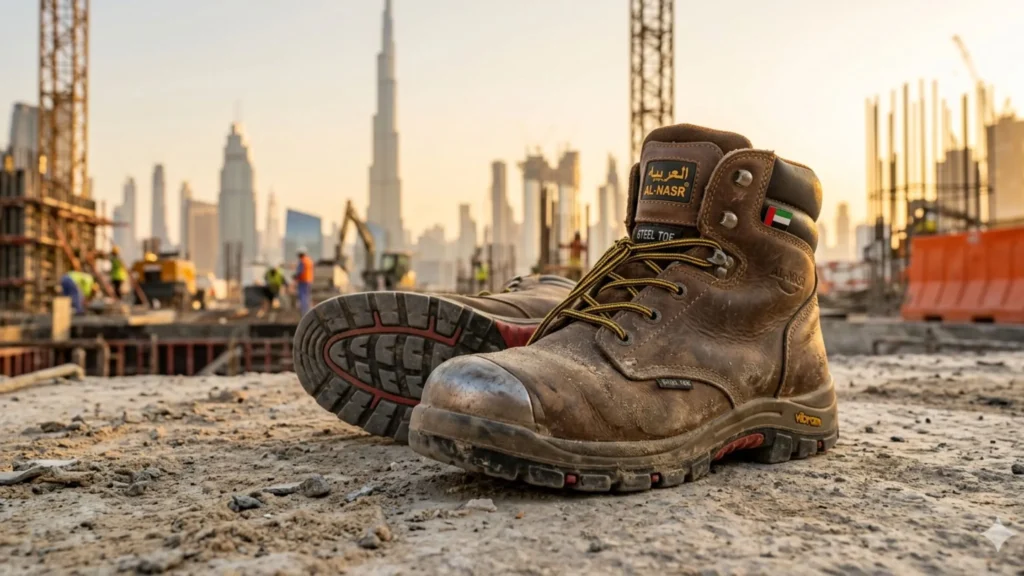
Choosing the right safety shoes is not just about comfort. It is about protecting your feet from serious injuries at work. In the UAE, industries like construction, oil and gas, logistics, manufacturing, and warehousing require strong and certified safety footwear.
If you are working in hot weather, dusty sites, or heavy-duty environments, this guide will help you choose the right safety shoes.
Why Safety Shoes Are Important
Industrial workplaces in the UAE often involve:
- Heavy machinery
- Sharp materials
- Slippery surfaces
- Electrical risks
- Extreme heat
A small mistake can cause crushed toes, cuts, burns, or slips. Good safety shoes reduce these risks and improve your daily comfort.
11 Tips for Selecting Industrial Safety Shoes
1. Understand Your Work Environment
Before buying safety shoes, ask yourself:
- Do I work indoors or outdoors?
- Is the surface oily or wet?
- Do I handle heavy materials?
- Is there electrical risk?
- Am I exposed to chemicals?
For example:
- Construction workers need strong impact protection.
- Warehouse workers need slip resistance.
- Oil & gas workers need chemical resistance.
Your job role decides the type of protection you need.
2. Check Safety Standards and Certification
In the UAE, most companies follow European safety standards such as:
- EN ISO 20345
- S1, S2, S3 ratings
These ratings tell you the level of protection:
S1 – Basic Protection
- Steel toe
- Anti-static
- Energy absorption heel
S2 – Water Resistance Added
- All S1 features
- Water-resistant upper
S3 – Maximum Protection
- All S2 features
- Puncture-resistant sole
- Slip resistance
For construction and heavy industrial work in the UAE, S3 is usually recommended.
Every company in the UAE follows specific safety shoes rules based on international standards such as EN ISO 20345 to protect workers from workplace injuries.
3. Toe Protection Type
The toe cap is the most important part of safety shoes.
Steel Toe
- Very strong
- Best for heavy industries
- Slightly heavier
Composite Toe
- Lightweight
- No metal (good for airport or security areas)
- Does not conduct heat or cold
In the UAE’s hot climate, composite toe shoes are often more comfortable.
Related Blog: Puma Safety Shoes vs Albatros Safety Shoes
4. Slip Resistance is Critical
Many industrial accidents happen due to slipping.
Choose safety shoes with:
- Oil-resistant sole
- Anti-slip rubber outsole
- Strong grip pattern
This is especially important for:
- Warehouses
- Food industries
- Oil & gas sites
- Cleaning industries
5. Consider Heat Resistance (Very Important in UAE)
The UAE climate can reach 45°C+ during summer.
Look for:
- Heat-resistant outsole (HRO rating)
- Breathable upper material
- Moisture-wicking lining
- Ventilation system
Avoid fully closed, non-breathable shoes if you work outdoors for long hours.
6. Puncture Resistance
If you work in:
- Construction sites
- Scrap yards
- Industrial workshops
You need a puncture-resistant midsole. This protects your feet from nails, sharp metal, and glass.
S3-rated shoes usually include this feature.
7. Electrical Hazard Protection
If you work near electrical systems:
- Choose Electrical Hazard (EH) rated shoes
- Ensure anti-static properties
These shoes reduce the risk of electric shock.
This is essential in:
- Electrical maintenance
- Oil & gas
- Industrial plants
8. Comfort for Long Working Hours
Many UAE workers stand for 8–12 hours daily.
Look for:
- Cushioned insoles
- Shock absorption
- Arch support
- Lightweight design
- Wide fit options
Comfort increases productivity and reduces fatigue.
9. Durability and Material Quality
Cheap shoes wear out quickly, especially in tough environments.
Choose:
- Full-grain leather
- High-quality PU or rubber soles
- Double stitching
- Strong laces and eyelets
Durable safety shoes save money in the long term.
10. Size and Proper Fit
Never choose tight or loose shoes.
When trying safety shoes:
- Wear work socks
- Ensure 1 cm space at the toe
- Check heel grip
- Walk and bend your feet
Poor fit can cause blisters and foot pain.
11. Waterproof vs Breathable – Choose Smartly
If you work in wet environments → choose waterproof shoes.
If you work in dry but hot conditions → choose breathable mesh + leather mix.
Balance protection and comfort based on your job.
Common Mistakes to Avoid
How Often Should You Replace Safety Shoes?
In heavy industrial use, safety shoes should be replaced every:
- 6–12 months (depending on usage)
- Immediately if sole is worn out
- If toe cap is exposed
- If inner cushioning is damaged
Regular inspection is important.
Final Checklist Before Buying Safety Shoes in UAE
✔ Correct safety rating (S1 / S2 / S3)
✔ Slip-resistant sole
✔ Heat-resistant outsole
✔ Comfortable for long hours
✔ Certified product
✔ Suitable for your industry
Conclusion
Choosing the right safety shoes is a serious decision for every industrial worker in the UAE. The right pair protects you from injuries, improves comfort, and increases productivity.
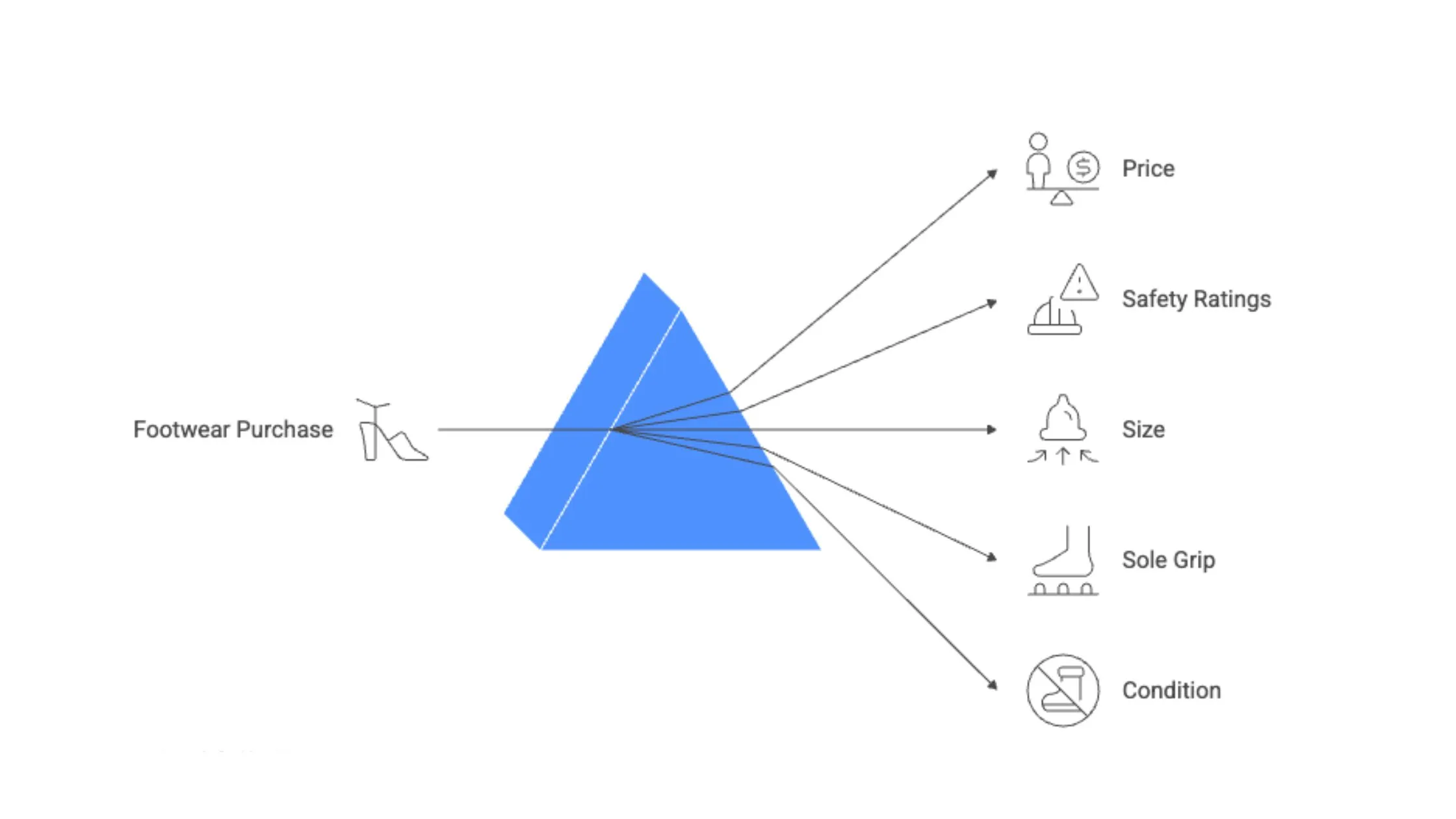
Do not choose safety shoes based only on price. Choose based on your work environment, safety standards, climate conditions, and daily comfort needs.
If you work in construction, oil & gas, warehousing, or manufacturing, investing in high-quality, certified safety footwear is one of the smartest decisions you can make for your career and health.
If you are looking for certified and high-quality industrial safety shoes in Dubai, Safe Gear is a trusted industrial safety shoe supplier in Dubai known for reliable products that meet international standards. Choosing the right supplier ensures you get durable, compliant, and work-ready footwear designed for UAE industrial environments.
Invest wisely. Stay protected. Work safely every day.