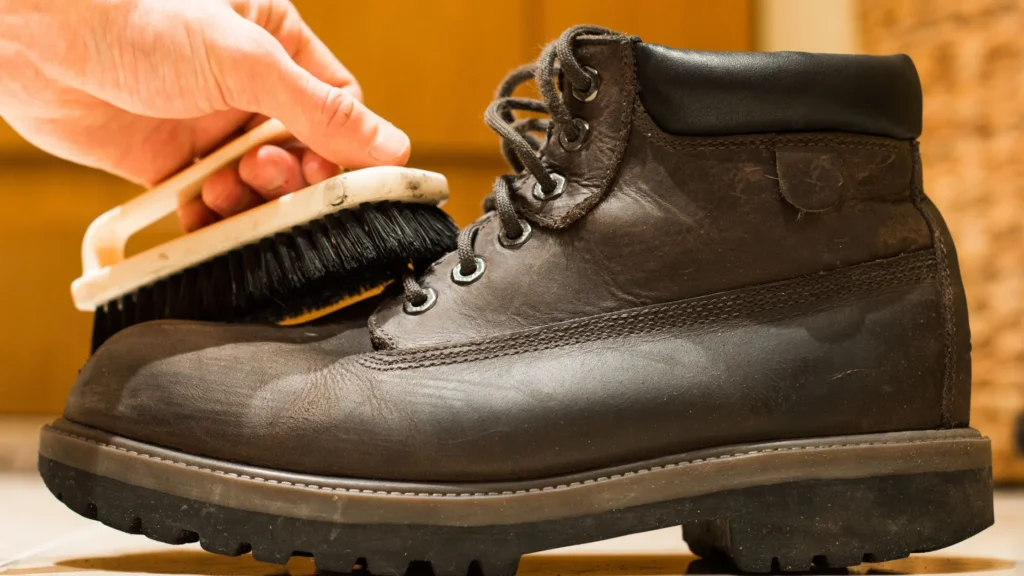
Industrial workplaces such as construction sites, factories, oil and gas facilities, and logistics warehouses are environments where hazards are part of daily operations. Heavy machinery, sharp objects, slippery floors, and electrical equipment all create risks for workers. Among the most vulnerable parts of the body in these environments are the feet.
This is why safety shoes have become one of the most important forms of Personal Protective Equipment used across industries. Proper protective footwear is not just a regulatory requirement—it is a critical investment in worker safety, productivity, and long-term operational efficiency.
The Growing Importance of Workplace Foot Protection
Workplace injury statistics highlight why foot protection is essential in industrial environments.
Data from the Occupational Safety and Health Administration and labor safety reports show that over 120,000 workers suffer toe, foot, or ankle injuries each year, with many cases requiring days away from work.
Other reports estimate that around 7% of all occupational injuries involve the feet, while approximately 100,000 foot injuries occur annually in workplaces, often resulting in an average of about 10 lost workdays per incident.
These numbers reveal an important reality: many workplace injuries can be prevented with proper protective footwear and safety policies.
Why Industrial Sites Are High-Risk Environments
Industrial sites expose workers to several types of hazards that directly threaten foot safety. These include:
- Falling or rolling heavy objects
- Sharp materials that can puncture footwear
- Slippery surfaces from oil, water, or chemicals
- Electrical hazards from live wires
- Extreme temperatures or chemical exposure
Safety authorities emphasize that protective footwear should be used whenever employees are exposed to these hazards.
Without appropriate protection, workers may experience injuries such as broken bones, puncture wounds, burns, sprains, and lacerations.
How Safety Shoes Prevent Workplace Injuries
Safety shoes are designed using specialized materials and engineering features to protect workers from multiple types of hazards.
5 Ways Safety Shoes Prevent Workplace Injuries in Industrial Sites
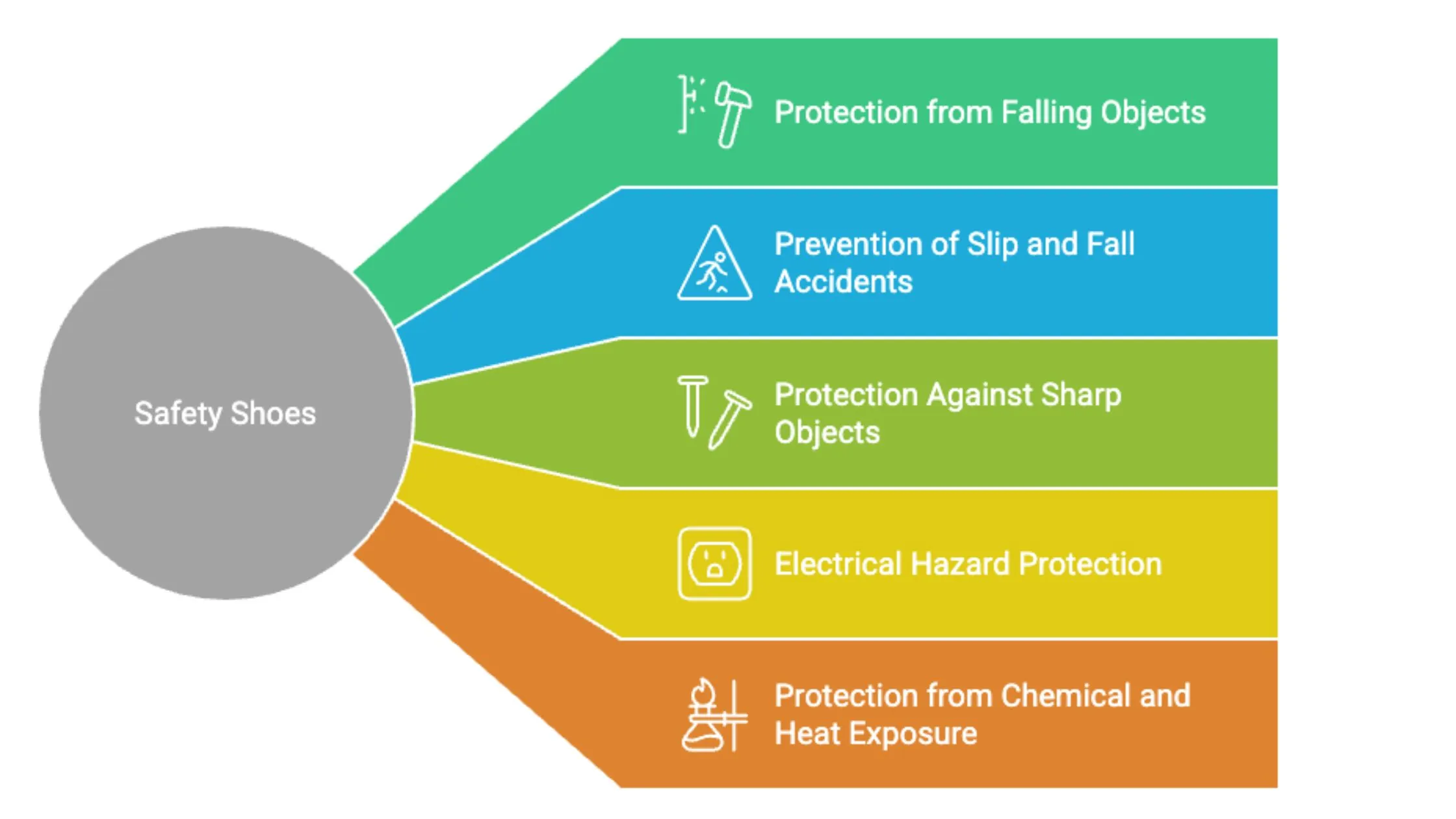
1. Protection from Falling Objects
In industrial environments, tools, equipment, and heavy materials are often handled at heights. Dropping a heavy object on an unprotected foot can lead to fractures or permanent injury.
Safety shoes with steel or composite toe caps can withstand strong impact forces and protect the toes from crushing injuries. Studies show that steel-toe footwear can withstand around 75 pounds of impact force without collapsing.
This feature significantly reduces the risk of severe injuries when objects fall onto workers’ feet.
2. Prevention of Slip and Fall Accidents
Slips and falls are among the most common workplace accidents. Wet surfaces, oil spills, and uneven flooring increase the chances of losing balance.
Slip-resistant safety footwear improves traction and stability on hazardous surfaces. Research indicates that slip-resistant footwear can reduce falls on wet surfaces by up to 67%.
For industries such as construction, manufacturing, and logistics, this feature plays a critical role in preventing serious injuries.
3. Protection Against Sharp Objects
Industrial sites often contain sharp materials such as nails, metal fragments, and broken glass. Workers stepping on these objects may suffer puncture wounds.
Modern safety footwear includes puncture-resistant midsoles designed to stop sharp objects from penetrating the shoe. Reports suggest that about 25% of workplace foot injuries involve punctures through shoe soles, making this feature essential for worker protection.
4. Electrical Hazard Protection
Electrical hazards are common in industries such as construction, power generation, and maintenance.
Specialized safety footwear includes electrical hazard protection that helps prevent electric shocks when workers come into contact with live wires or energized equipment. Certain safety boots can protect against up to 600 volts in dry conditions, reducing the risk of electrocution.
5. Protection from Chemical and Heat Exposure
Workers in manufacturing, chemical plants, and oil and gas facilities may encounter hazardous substances or extreme temperatures.
Safety shoes made with heat-resistant and chemical-resistant materials protect workers from burns, corrosive materials, and hot surfaces. This protection ensures employees can safely perform their tasks in demanding environments.
Industries Where Safety Shoes Are Essential
Safety footwear is mandatory or strongly recommended across many industries, including:
- Construction industry
- Oil and gas industry
- Manufacturing sector
- Mining operations
- Logistics and warehousing
- Aviation maintenance
In many workplaces, employers are legally required to ensure workers use protective footwear when hazards exist.
International safety standards from organizations such as the International Organization for Standardization and the American National Standards Institute also help define performance requirements for protective footwear used in hazardous workplaces.
The Productivity Benefits of Proper Safety Footwear
Beyond injury prevention, safety shoes contribute to improved worker productivity.
Foot injuries often lead to lost workdays, medical expenses, and reduced workforce efficiency. Studies estimate that the average cost of a lost-workday foot injury can exceed $9,000, highlighting the financial impact of inadequate foot protection.
Comfortable and ergonomically designed safety shoes also reduce fatigue for workers who stand or walk for long hours. Better comfort improves focus, performance, and job satisfaction across the workforce.
How Companies Should Choose the Right Safety Shoes
Selecting the right safety footwear is essential for maintaining workplace safety. Companies should consider several factors when choosing safety shoes:
- Hazard type in the workplace
- Required safety certifications
- Slip resistance and traction
- Impact and compression protection
- Electrical hazard resistance
- Comfort and ergonomic design
Conducting proper hazard assessments ensures that workers receive footwear suitable for their job tasks and environment.
Final Thoughts
Industrial workplaces will always contain risks, but many injuries are preventable with the right safety measures. Safety shoes are a critical component of workplace safety programs because they protect workers from common hazards such as falling objects, slips, punctures, and electrical shocks.
By investing in high-quality protective footwear, businesses not only safeguard their workforce but also reduce downtime, prevent costly injuries, and improve operational efficiency.
Companies looking to enhance workplace safety should partner with reliable PPE suppliers such as Safe Gear Occupational Trading, which provides a wide range of certified industrial safety equipment designed to protect workers in demanding environments.